

Okay, so check this out—I’ve been fiddling with Solana wallets in my browser for a while now. Wow! The first time I connected to a mint site it felt like unlocking somethin’ that had been behind a very heavy door. My instinct said “this is fast,” and it was. But there was also that uneasy tick in the back of my head about security and phishing. Seriously?
At a glance the speed is the obvious draw. Transactions confirm in a blink. Medium gas fees make trading and flipping NFTs much more doable than the old days on other chains. But actually, wait—let me rephrase that: speed alone isn’t the whole story. On one hand you get almost-instant UX, though on the other hand wallet design, extension permissions, and dApp standards still create real friction. Hmm…
Here’s what bugs me about some browser extensions. They ask for broad access. They ask for changes you don’t understand. Wow! Users click without reading. Short onboarding flows lure people in. That pattern scales badly when big money and collectible hype show up.
Initially I thought extensions were all basically the same. Then I dug in. I noticed subtle differences in how they handle key derivation, how they sign transactions, and how they integrate with marketplaces. That was an “aha” moment—because those details change the risk profile. My gut told me to prefer less permission creep. I’m biased, but so far the extensions that limit surface area feel more honest.
Really?
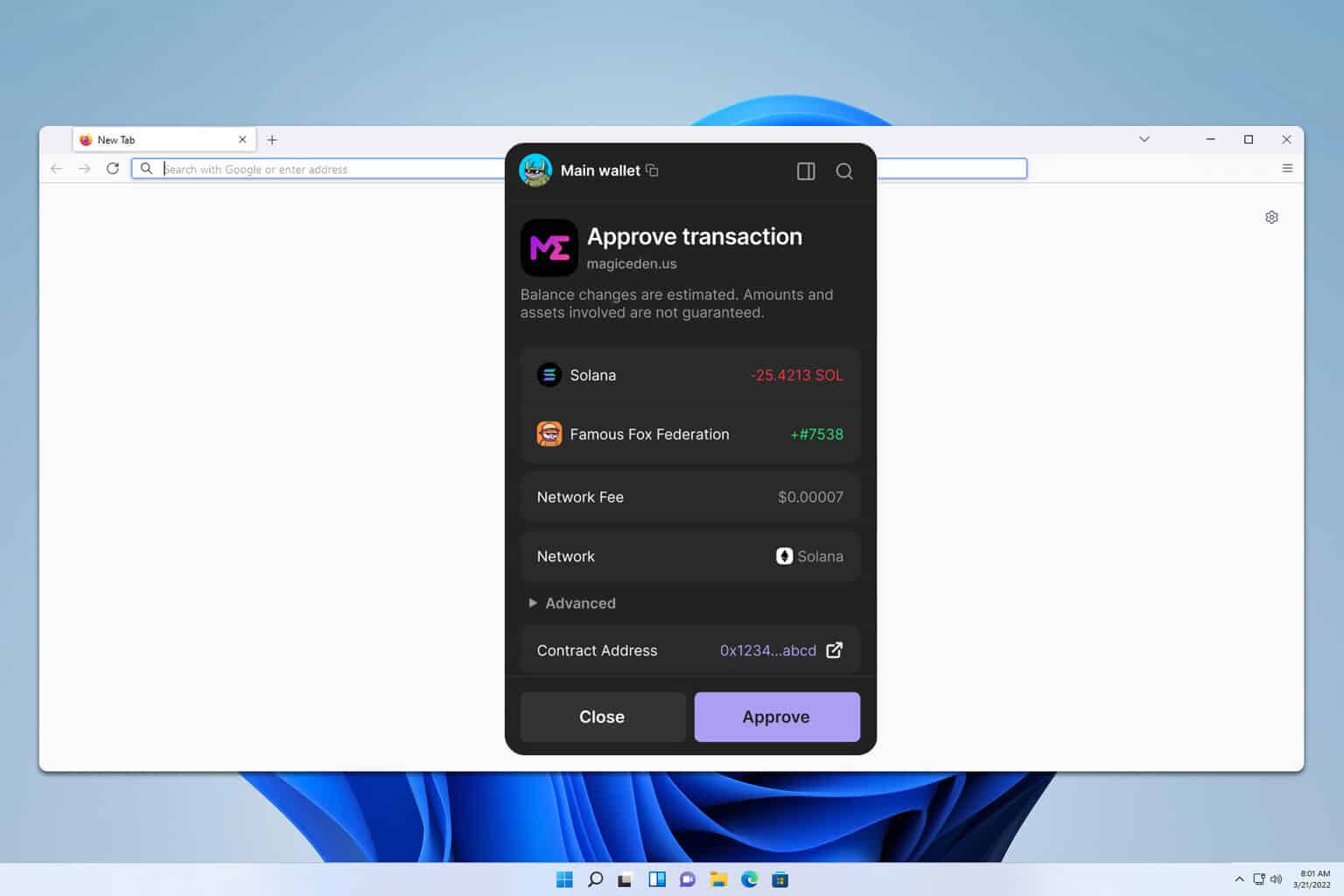
What a browser wallet actually gives you
Immediate convenience. Permissioned connectivity to dApps. A place to view, send, and receive tokens and NFTs without running a full node. Here’s the thing. That convenience isn’t free. There are trade-offs, trade-offs that matter both technically and behaviorally. Some extensions emphasize UX at the cost of exposing too much—those worry me. Others go heavy on safety but make the user jump through too many steps, which drives people to take shortcuts and copy-paste private keys into places they shouldn’t.
If you want something practical though—if you want to dip your toes into Solana NFT drops and secondary markets without wrestling CLI tools—start with a well-known browser extension. A lot of folks choose phantom wallet because it blends sensible defaults with polish. It’s not perfect. But it’s a reasonable middle ground between “click-and-go” and “don’t trust anyone.”
There’s a short checklist I run through with friends who ask me for help. First: seed phrase is offline. Never store it in a cloud note. Seriously? Yes. Second: vendor reputation counts, but so do permissions shown at install time. Third: use a hardware key for significant holdings. Fourth: enable any available transaction previews. These are small habits that matter, very very important in practice. (Oh, and by the way…) they dramatically reduce social-engineering wins.
Why do NFTs behave differently than fungible tokens in this context? NFTs are often tied to marketplaces and previews. A wallet extension that offers clear metadata previews and differentiated signing prompts helps you spot sketchy listings. Long thought: on some sites the preview shows low-quality metadata or a wrong contract address; that alone has saved me from accidental purchases more than once.
Whoa!
Now let’s get a bit technical—without becoming a textbook. Browser extensions typically store keys locally, encrypted by your password, and hold them in the extension’s storage. When a dApp requests a signature, the extension surfaces the transaction details and asks the user to confirm. But a lot depends on the UI: does the extension show the raw instruction set? Does it translate token transfers into human-readable text? Some do. Some do not. Initially I thought “if it looks right, it’s right,” but then I realized user-facing descriptions often lie; the real instructions can hide malicious transfers. On one hand UX simplification is helpful; though actually, simplification can strip necessary context, so balance matters.
One practical trick: inspect the transaction details before signing. If the extension shows the receiving address, token amount, and type of instruction clearly, that’s better. If it shows a big blob of opaque data, pause. I’m not 100% sure every user will do this, but my experience says many will when prompted properly.
Here’s a small list of things to watch for when connecting an extension to a site. First, never approve account-wide permissions unless you trust the dApp. Second, check any contract addresses—especially for mints. Third, watch for “sign message” pop-ups that ask for vague reasons. Fourth, consider using a burner wallet for risky drops. Fifth, sometimes revoking approvals via an on-chain explorer is smart after you’re done with a mint.
Really?
Let me tell you about a time that shows why this matters. I joined a hyped mint last year. The project had a slick site. It asked for a signature that, on the surface, looked like a whitelist confirmation. But the raw instructions were transferring approval rights to a proxy contract. My instinct said something felt off about the gas pattern. I paused and dug deeper. It turned out to be a malicious flow. I avoided a loss. Without that tiny hesitation, I’d have been out a rare piece. That hesitation? It’s teachable. And yes, I sound dramatic—but these moments are real.
Some people assume that extensions are all the same architecturally. They’re not. Differences show up in permission models, in how they handle transaction serialization, and in recovery flows. For example, some wallets provide a “connected sites” list with granular revocation. Others only offer a global disconnect. That seems minor until you have dozens of ephemeral approvals floating around. That part bugs me.
On security: hardware wallets are still the gold standard for big holdings. Use an extension that supports hardware signers. This lets you keep an accessible browser UI for everyday stuff while keeping cold storage for the heavy stuff. It adds a step, sure, but it prevents large losses. I’m biased toward conservative setups because I’ve seen folks lose thousands to social engineering.
Here’s the thing. The NFT experience on Solana benefits from both wallet design and community norms. Better UX drives more adoption, which in turn breeds more scams—it’s a cycle. Initially that sounded bleak, but then I realized it’s an opportunity. If wallet developers bake in safer defaults—like clearer prompts, explicit contract previews, and smart approval scoping—they can nudge behavior in healthier directions. It’s small design moves that scale.
And there’s an ecosystem angle: marketplaces and collections can publish canonical metadata and contract addresses. Wallets that reference canonical registries can reduce impostor listings. On one hand, centralized registries have limitations; on the other hand, they can dramatically cut down phishing success rates. Trade-offs again. Hmm…
FAQ
Should I use a browser extension for my first Solana NFT?
Yes, for learning and convenience. Start with small amounts. Use a reputable extension, keep your seed offline, and treat any signature request with suspicion. Consider a burner wallet for drops and enable hardware signing for bigger buys.
How do I tell if a site is trying to trick my wallet?
Look for vague permission text, requests for account-wide approvals, and mismatch between the displayed asset and the raw transaction details. If the extension shows unclear blobs instead of human-readable instructions, pause and investigate. Use explorers to verify contract addresses when possible.